
The photographer Landry, born in Toulouse in 1978 and now living in Barcelona, is made of two worlds—one European and one African—but he doesn’t work as a European or an African. He works as someone who feels “a hundred percent double-culture.” Landry has a restless, passionate spirit, drawn to capturing everyday moments—those fleeting instants where any movement becomes magical simply because it will never happen again. That’s why, although he also photographs landscapes, buildings, and scenes, what really drives him is watching how people move, behave, and let themselves be carried by curiosity and spontaneity. Life, after all, is an open book full of surprises and unscripted stories, time and time again.
His artistic path is rooted in those surprises rather than in aesthetics. Even though many of his images might look like staged fiction—with an urban, youthful, contemporary touch that comes from his early days as a graffiti artist—Landry isn’t someone who plans things out. He says he brings his ideas to life on the spot. That’s exactly how he got into photography: he needed a camera to physically document his graffiti and stop depending on his friends, so he got one. What he didn’t know then is that this would become the foundation of all his work, leading to exhibitions like Based on a true story and the book Souvenirs d’Afrique, where he reflects on and shares his personal vision of Benin, focusing on things nobody pays attention to, noticing the most meaningful details…
Because Landry, like many of us, is made of two worlds that enrich him as a person and as an artist. One part of him is shaped by European influences, by the French culture that marked his adolescence; the other part connects him to Benin and to his family. These cultural roots inevitably influence his work as well. When he travels to Cotonou, to his father’s homeland, all he thinks about is capturing portraits, taking photos, and sharing all the stories he sees. He believes that oral and visual memory are far richer on the African continent than here in Europe, where written memory dominates.


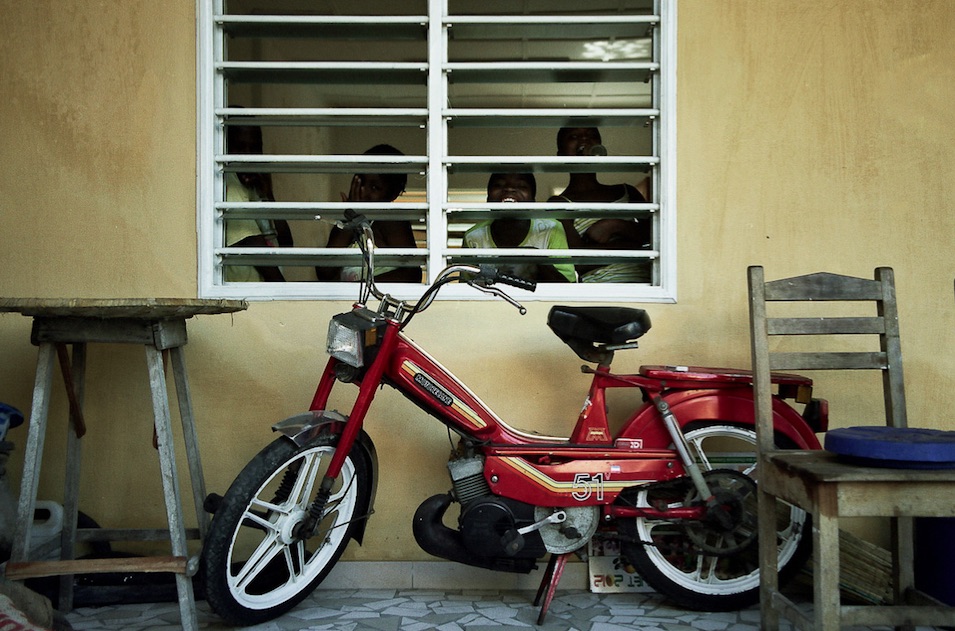
On one of those trips to Cotonou, one of his most personal and intimate projects emerged: Holy African Eucharist. Landry says that when he captures an image, he prefers having someone in front of the camera, because it forces him to face people and, in the end, the photographs gain a more powerful and emotional quality. But how do you act when the subject of the photograph is a loved one you’ve just lost? Can you photograph someone who has just died—especially if that person is a close family member? Only if it’s done with love, and with the intention of honoring all those everyday moments and magical instants shared with the person you care about. In his case, it was his paternal grandmother, Antoinette Ajavon, who passed away in 2012.

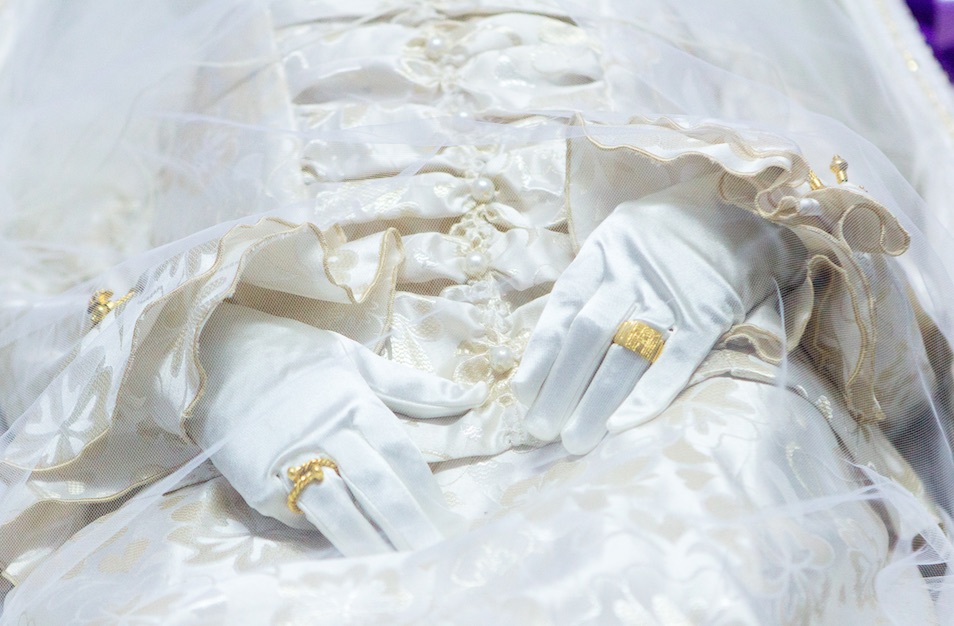
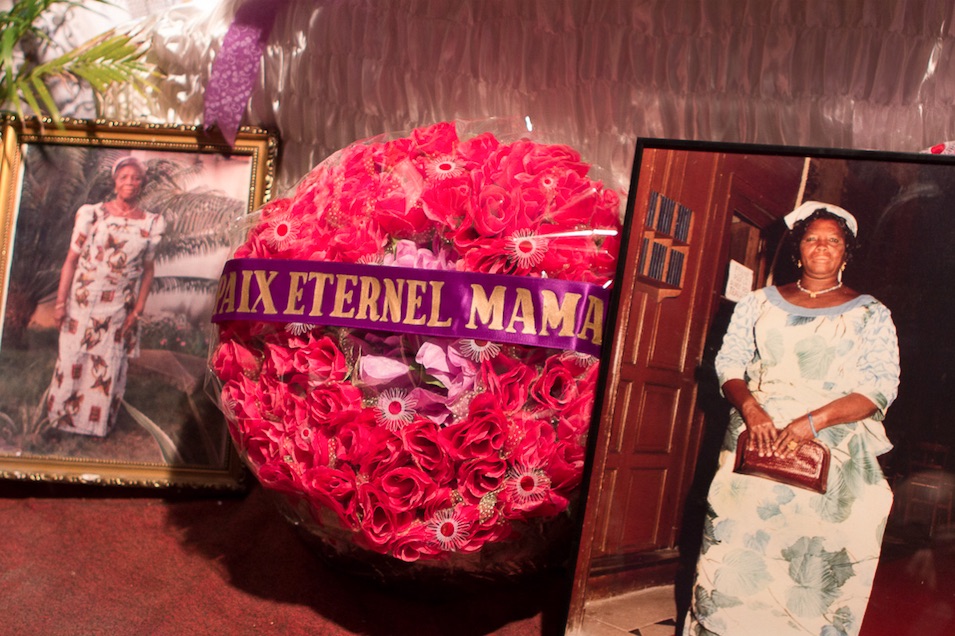
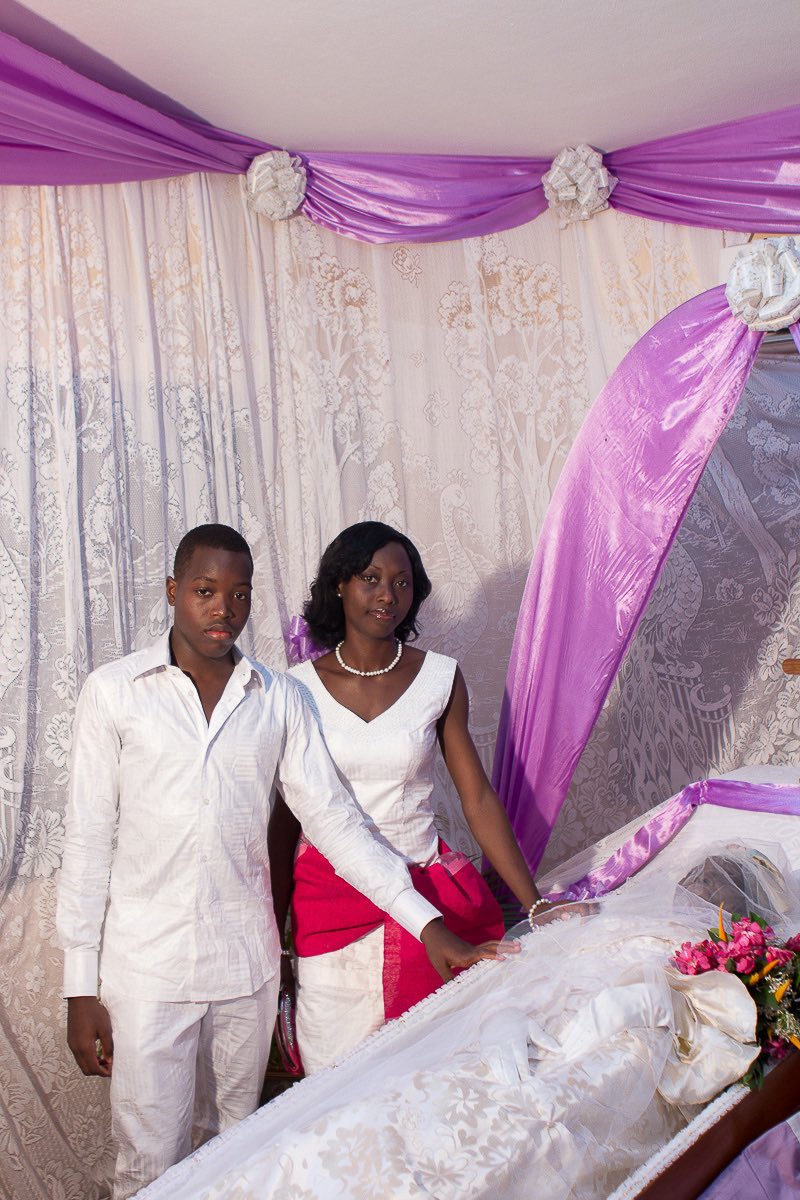

All the possible taboos surrounding death made Landry hesitate at first when it came to photographing his grandmother Antoinette, even though he was her grandson. What would people in Europe say? “They won’t understand this in Europe,” he thought. But in Benin, it’s common for families to hire videographers to record every day of the funeral, for attendees to go to mass wearing colorful clothing, and for the family home to become the center of all activity. It was something intense and striking for Landry, something he questioned a lot. Still, in that naturalness he saw an opportunity—something he felt he needed to do to honor his grandmother, while also showing others that these photographs—because of the history of African slave movements—could correspond to any place in the world: New Orleans, Haiti, Brazil, or Cotonou itself, where a loved one is being honored.
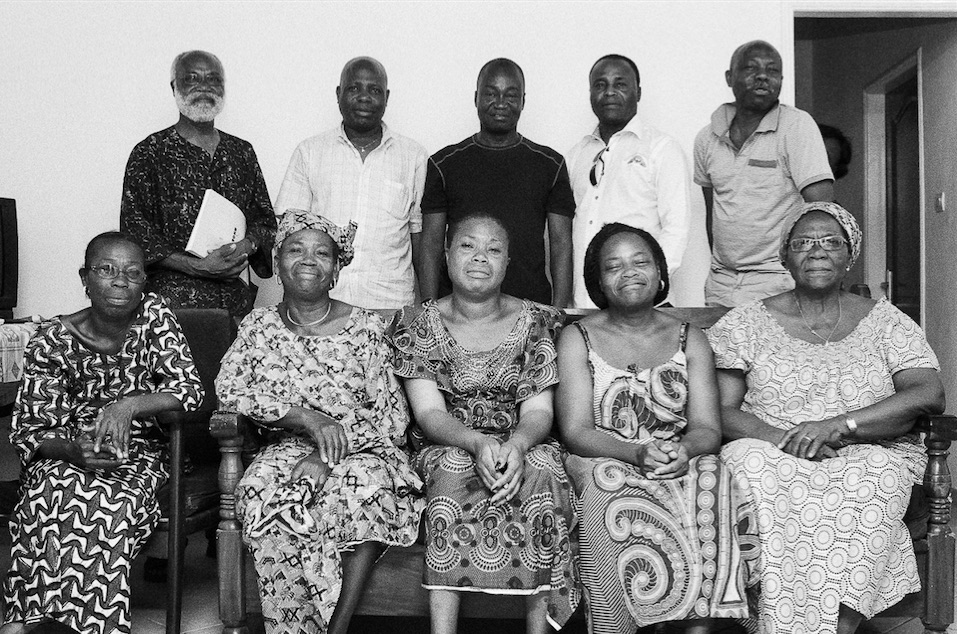


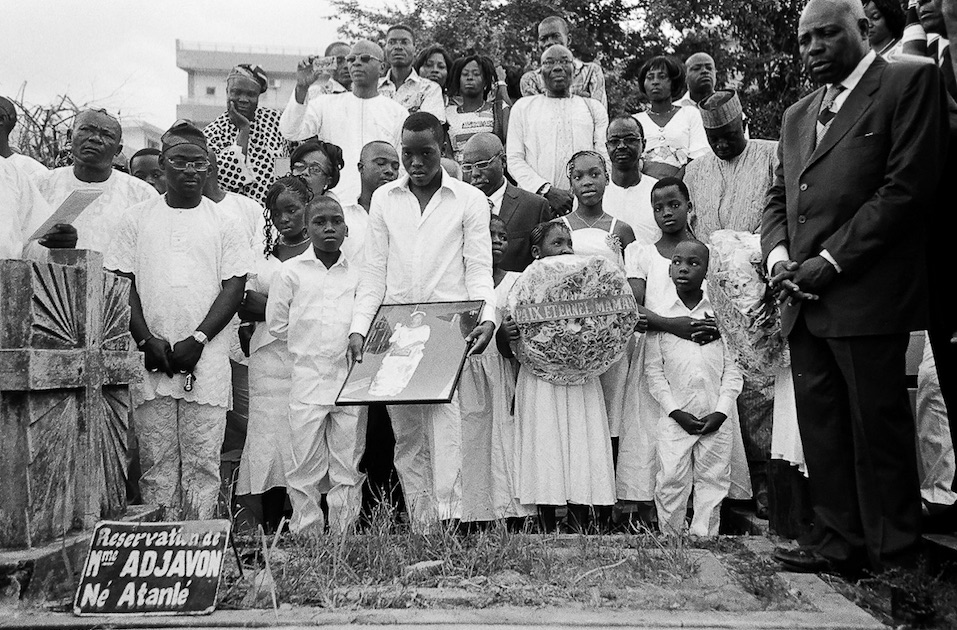
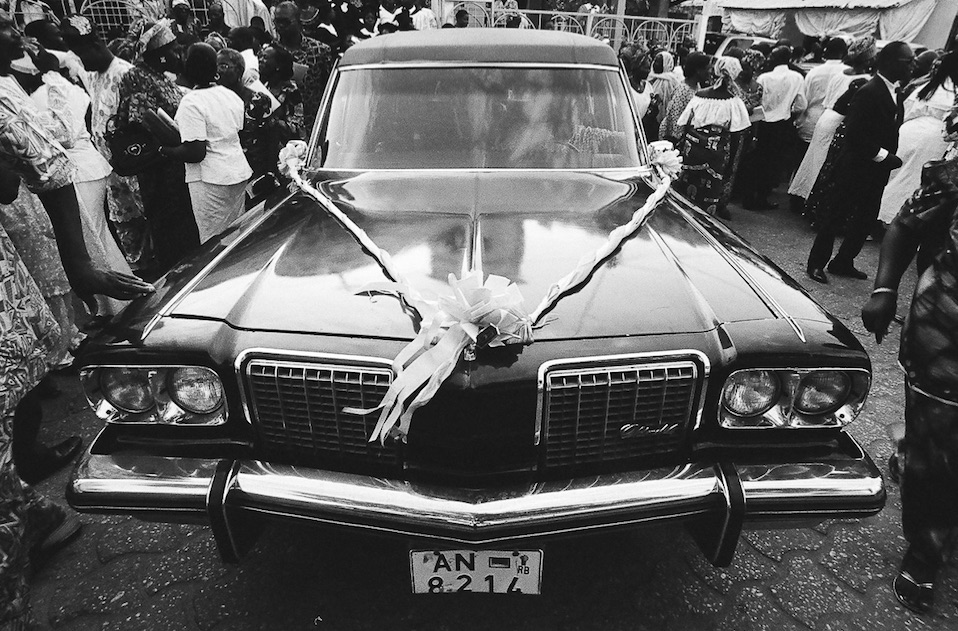
A universal subject that touches all of us, but one that Landry wanted to portray with respect, sensitivity, and without any trace of folklore. For five days he went to the church and attended Antoinette’s wake. He saw how everyone thanked her and said their final goodbye; how his aunts placed her jewelry and decorated the entire house; how the neighborhood choir came to sing; and how the family welcomed around 1,500 people with food and music that filled the street. “When you see something like that, you want to tell it,” and that’s exactly what he did.

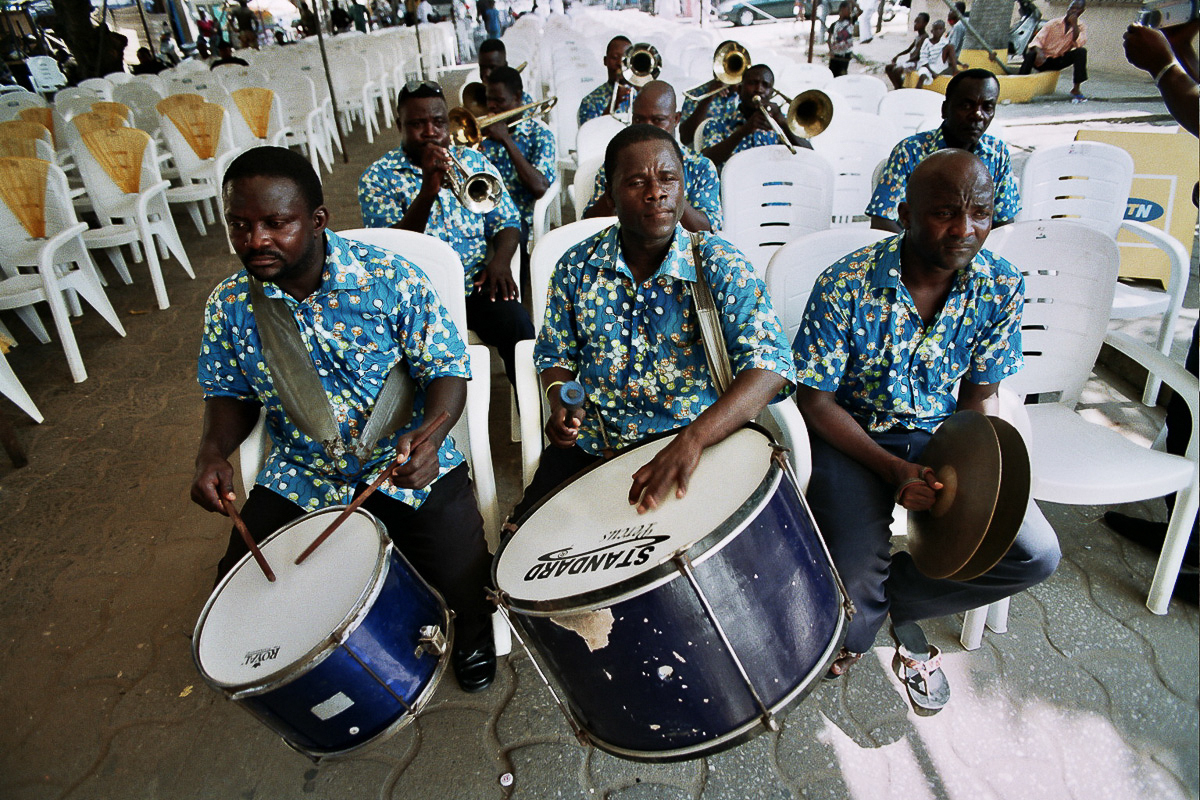


The book Holy African Eucharist and the exhibition he later presented as part of an artist residency—at the Résidence Avant Destruction of the 9ème Concept collective in Bayonne, France—together with these photographs, are a piece of his inner world. But they’re not about his emotions; they’re a vision he shares, a tribute to life, to Antoinette’s life, and to family memory.


Article from Radio Africa – Barcelona